4 Mobile Tech Features Strengthening Fire Response
February 11, 2026 by Jillian Donley
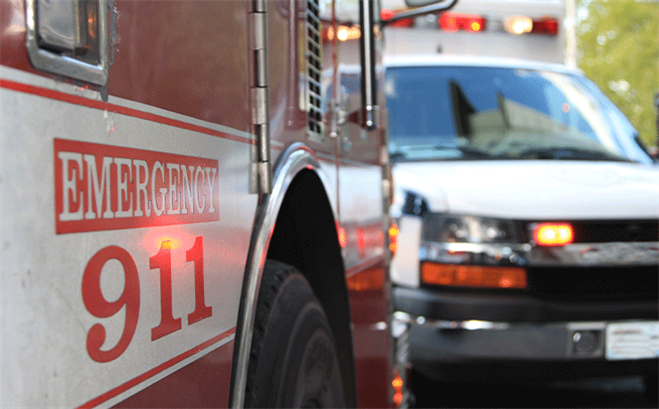
Modern firefighting has benefited from enhanced operational capabilities thanks to significant advancements in technology made throughout the last decade. Departments across the nation are leaving paper in the past, opting for mobile-first systems and software that give dispatchers and crews access to essential information whenever and wherever they need it.
These tools help crews stay focused and act with confidence by streamlining the flow of information and supporting critical workflows. From real-time incident updates to dynamic route mapping, mobile fire technology is shaping the future of fire response by maximizing available resources and enabling faster, smarter actions.
Here are a few of the mobile features helping drive safer, more effective fire response:
1. Mobile Dispatch
Critical incident information is no longer tied to a single device — with today’s technology, crews can access details instantly on smartphones, tablets, and MDTs, keeping them connected no matter the device or location.
Once a call is dispatched, crews can quickly access details and stay coordinated with:
- Incident location and type
- Call narratives and alerts
- Communication synced across devices
2. Alerts and Monitoring
Mobile alerts and unit monitoring support crew coordination and alertness throughout a response, improving safety and situational awareness through enhanced connectivity and reduced physical distractions.
Key capabilities include:
- Instant notifications for dispatch alerts and status updates on any device
- Hands-free communication with call narratives and voice commands
- Unit tracking showing real-time maps, locations, and GIS data
- Emergency alerts to notify all users immediately
These capabilities minimize app-switching, giving crews uninterrupted access to mission-critical alerts and information.
3. Route Mapping
Advanced mapping tools provide clear guidance en route, helping crews reach the scene efficiently and stay aware of other units.
Mapping technology offers crews:
- Quickest route navigation
- Unit tracking showing locations and ETAs of other responders
- Secondary stop planning for hospitals or staging areas when needed
- Street-level maps for visibility and context en route
These tools reduce uncertainty and help keep crews focused when responding to an emergency.
4. Incident Preparation
Crews can use mobile tools en route to prepare for the scene, optimize resources, and make informed decisions quickly and confidently.
These functionalities include:
- Access to pre-plans and building information
- Hydrant and resource availability
- Self dispatch to an active call
With these features, crews arrive prepared, reducing on-scene delays and ensuring resources are used effectively.
Advanced Mobile Technology for Modern Fire Crews
As annual calls-for-service numbers rise, so do the operational demands of fire response. Increased public expectations, paired with persistent staffing challenges and limited funding, leave no margin for inefficiency.
In this environment, modern mobile tools are no longer convenient add-ons; they’re necessities. They form a foundational component of effective emergency response, enabling departments to do more with less while maintaining speed, accuracy, and accountability in an era defined by finite resources.