4 Must-Have Mobile Tech Capabilities for Law Enforcement
February 12, 2026 by Jillian Donley
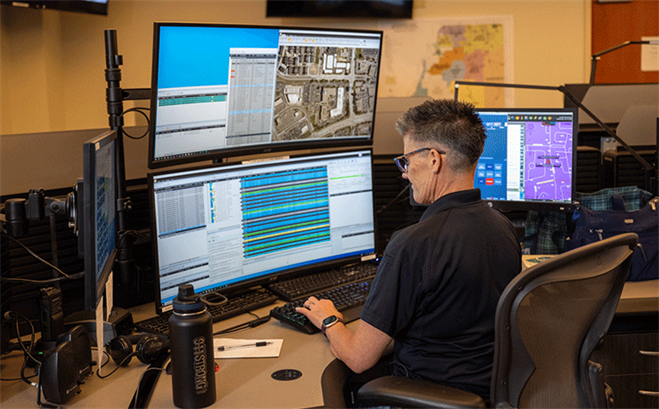
Picture this: A suspect is on the move. A new tip comes in. Multiple agencies are involved and units are spread across the jurisdiction. Information is fragmented, coming in through disconnected systems and over radio traffic, with no single, real-time view.
Coordination slows. Decisions are made with incomplete context. Response times lag, and officer safety is put at risk.
This is a struggle many agencies face on a daily basis, where disconnected communication and delayed information can turn routine calls into higher-risk situations. Modern mobile law enforcement solutions can close this gap, delivering real-time updates, shared data, and integrated communication to enhance safety and strengthen operational capabilities.
As agencies nationwide move to modernize their technology infrastructure, the question isn’t whether to implement mobile solutions, but which capabilities deliver the greatest impact in the field.
While workflows may vary from agency to agency, these four critical functionalities help officers respond faster, stay informed, and maintain safety for everyone involved.
1. Real-Time CAD Access on Multiple Devices
The ability to see live call updates, unit locations, and incident developments ensures officers and command staff always work with the most current information. With real-time CAD connectivity available on MDTs, smartphones, tablets, and smart watches, officers can adjust responses while en route, request backup without returning to the vehicle, and stay aware of evolving situations. Mobile access to CAD information gives command personnel better visibility into unit activity and resource allocation, supporting faster, more coordinated decisions.
2. Enhanced Situational Awareness Through Mapping and Geofencing
Mobile GIS mapping, street-level imagery, and geofencing functionalities give officers real-time awareness of their call environment, helping them visualize the scene, identify hazards, and monitor nearby units before arrival. Many modern solutions can automatically update an officer’s status when they arrive on scene, notify units when they approach each other or enter high-risk areas, and provide critical context such as premise history and prior incidents. Together, these technologies encourage safer approaches, improve response coordination, and reduce uncertainty, enabling officers to respond more confidently and effectively.
3. Mobile-Optimized Reporting Workflows for the Field
The ability to capture and sync record incident details directly in the field helps keep officers more involved in active policing and reduces duplicate administrative efforts. Modern mobile reporting tools often integrate with agency records systems, IBR platforms, and NCIC databases, so that reports, observations, and field data become instantly available to records staff and personnel. Immediate access to up-to-date information ensures all teams operate with a shared understanding of events. Mobile reporting functionality streamlines workflows, reduces data duplication and errors, and minimizes administrative burden.
4. Instant Access to History, Hazards, and Context
Real-time access to prior incident history, known hazards, and contextual data on mobile devices enables officers to make smarter, more informed decisions on the scene. The ability to quickly record and relay intelligence supports safer responses, helping personnel anticipate risks and plan accordingly. Command staff can identify trends, allocate resources dynamically, and provide guidance based on actionable information, improving both officer and community safety.
Advanced Mobile Technology for Modern Law Enforcement
Modern mobile technology solutions aren’t just an operational upgrade — they're an investment in officer safety and community protection. Agencies that prioritize these four functionalities when selecting software position their personnel to respond with confidence, coordinate with precision, and operate with the accurate, real-time intelligence today’s public safety landscape requires.